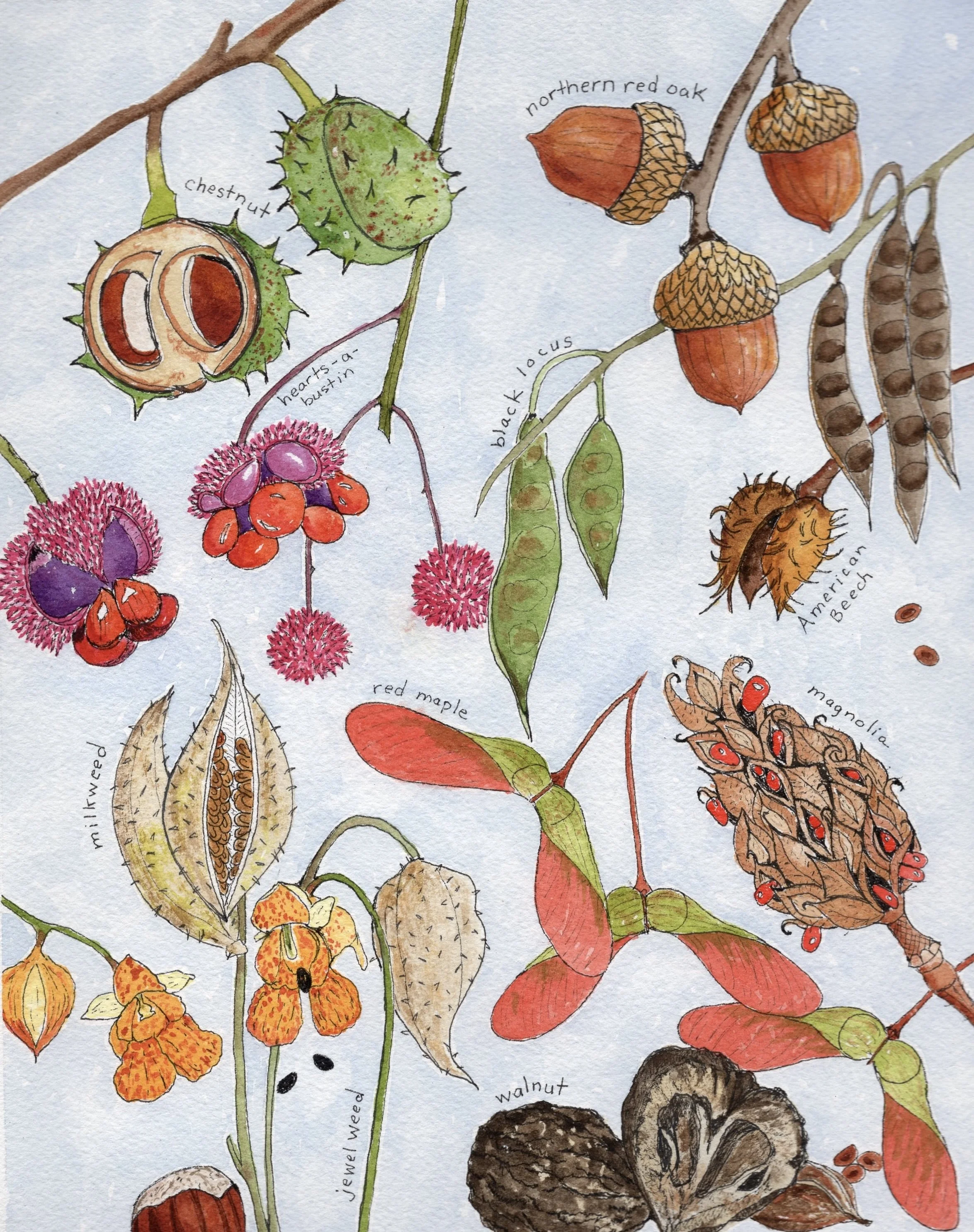
How My Fascination with Seed Pods First Began
For the past twenty-five years, one of my goals has been to walk a thousand miles a year. That means walking 2.6 miles a day, and if I skip a day, I have to get in 5.2 miles sometime that week. As you can see, I have to walk a lot to meet my goal.
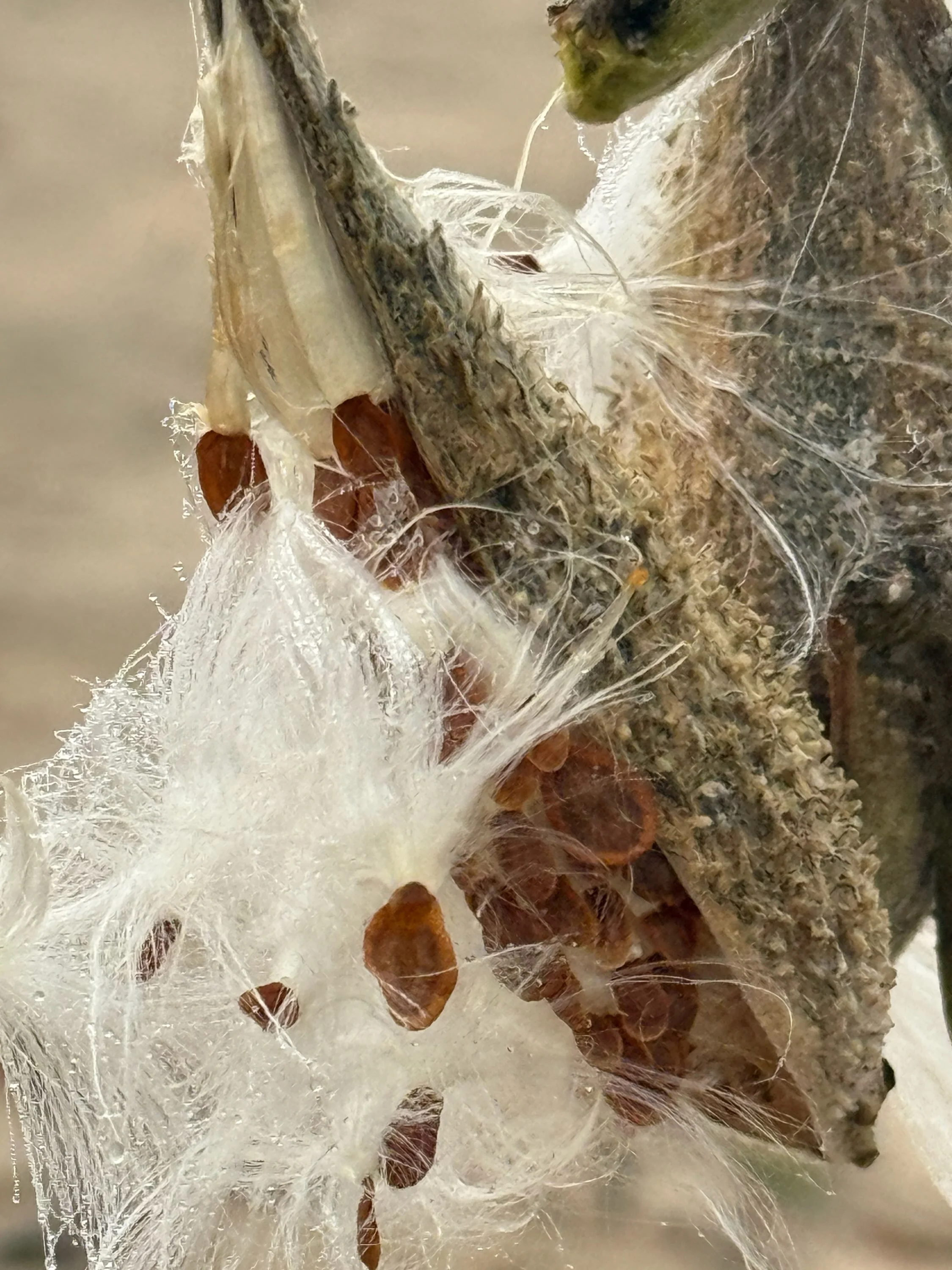
On my walks, I began noticing little things like the textures of tree bark, smooth rocks, flower colors, leaf shapes, and, of course, seed pods. Seed pods are something that can be put in my pocket. I began collecting them. Then, I began drawing them in my sketchbook.
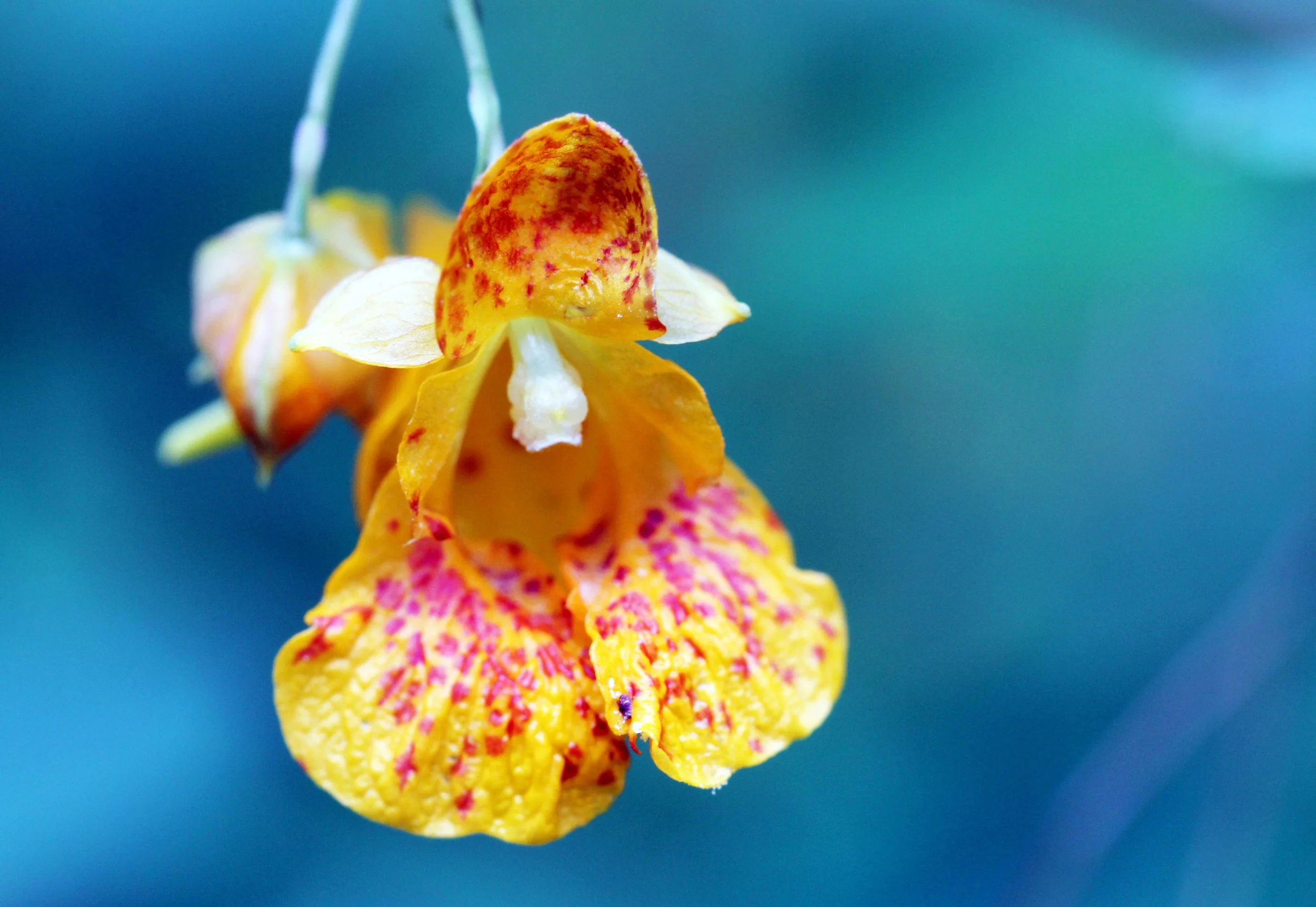
The more fascinated I became with seed pods, the more I found! They come in so many sizes, textures, and shapes. Most seed pods also come in earthy colors, but once in a while some are brightly colored.
The 12 Watercolor Colors in My Seed Pod Palette
As an artist, I have read many articles about limiting your color palette. Anyone who knows me knows that I am obsessed with art materials and classes. If an artist I am taking a class with recommends a color and I like it, it inevitably shows up in my studio!
My interest in drawing and painting seed pods is a good way to limit my palette. I wanted to find 12 perfect colors for a small palette. Over the last year, I played with this palette and settled on 12 colors as my final choices.
Here are the Colors I Chose and Why I Like Them
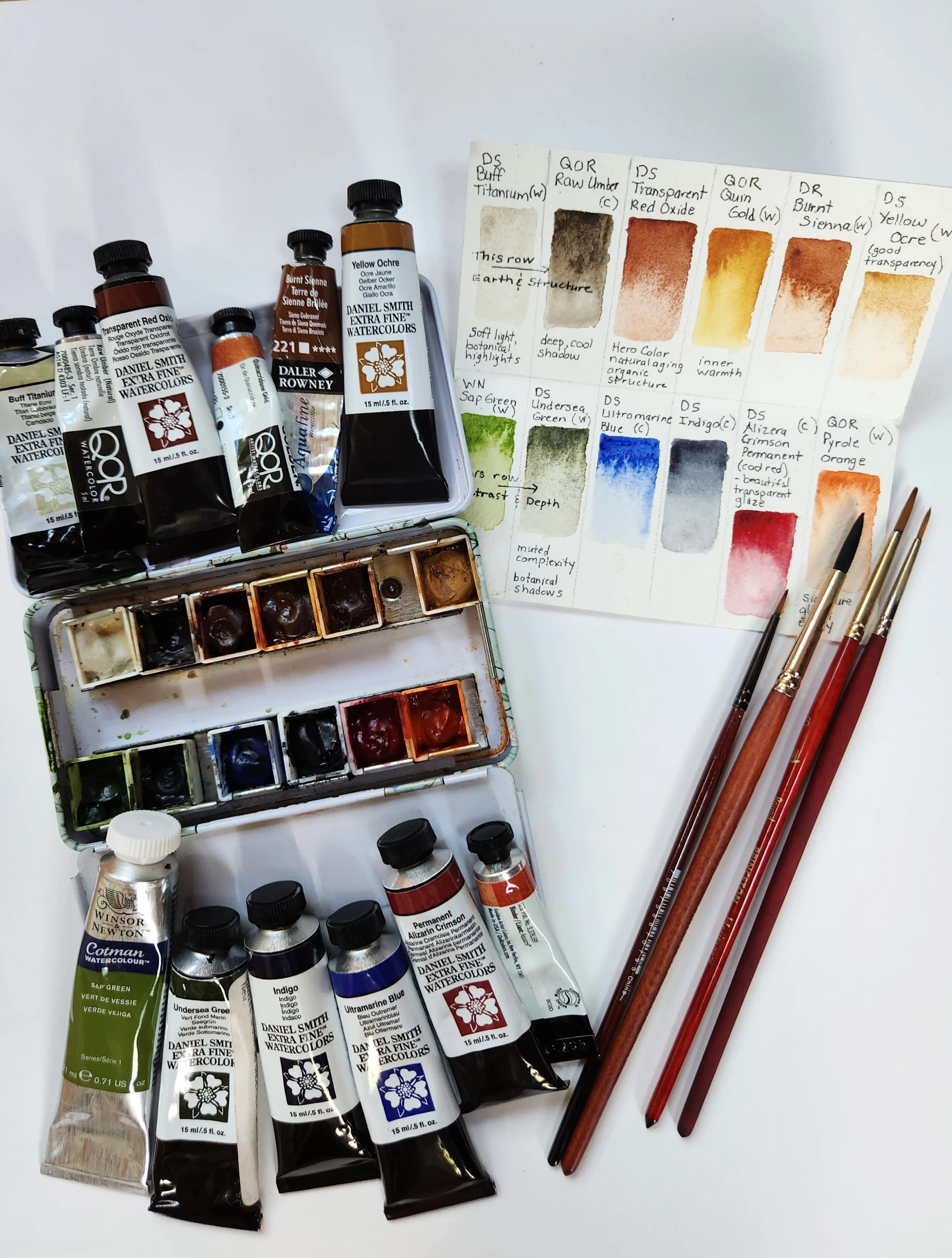
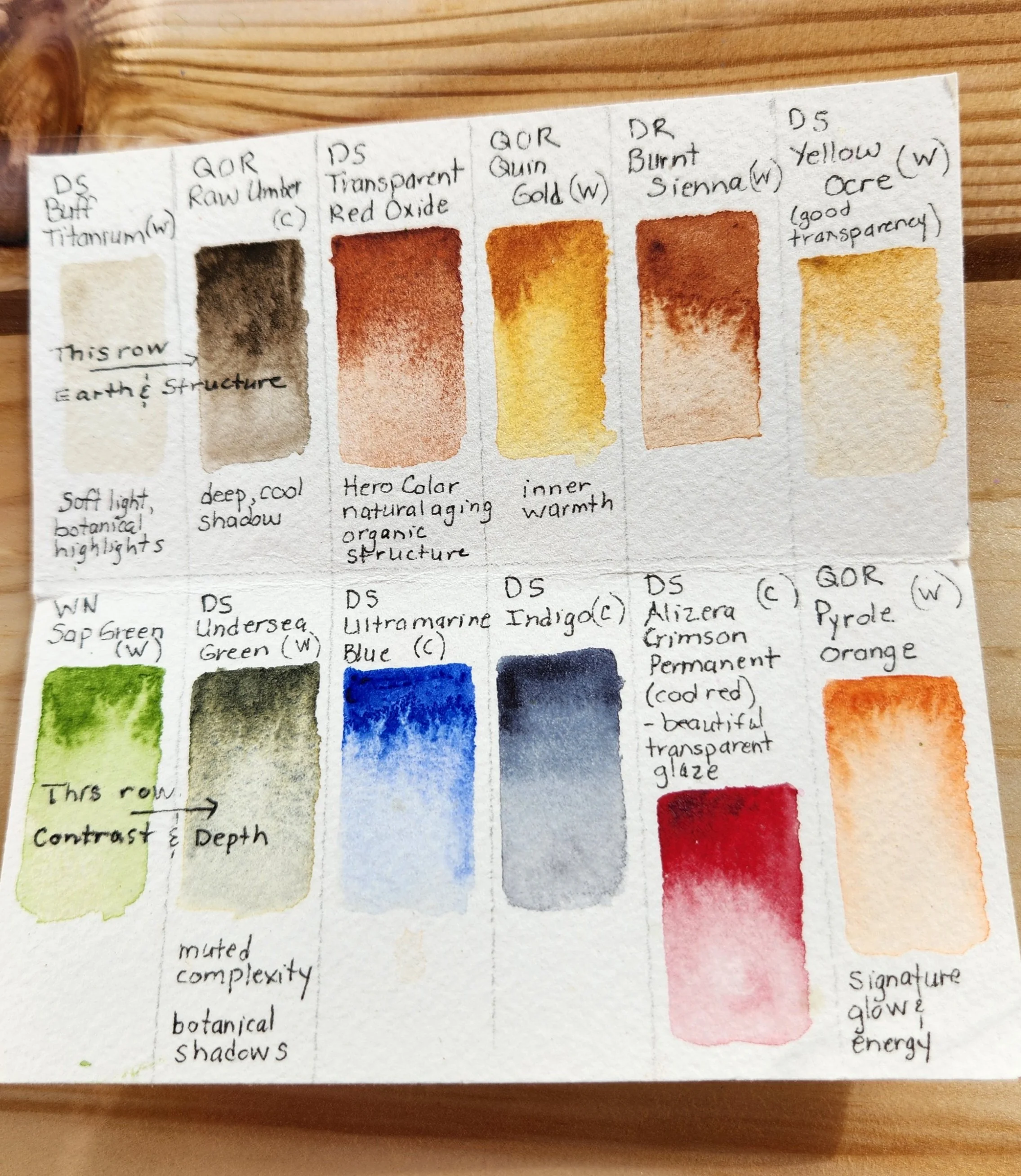
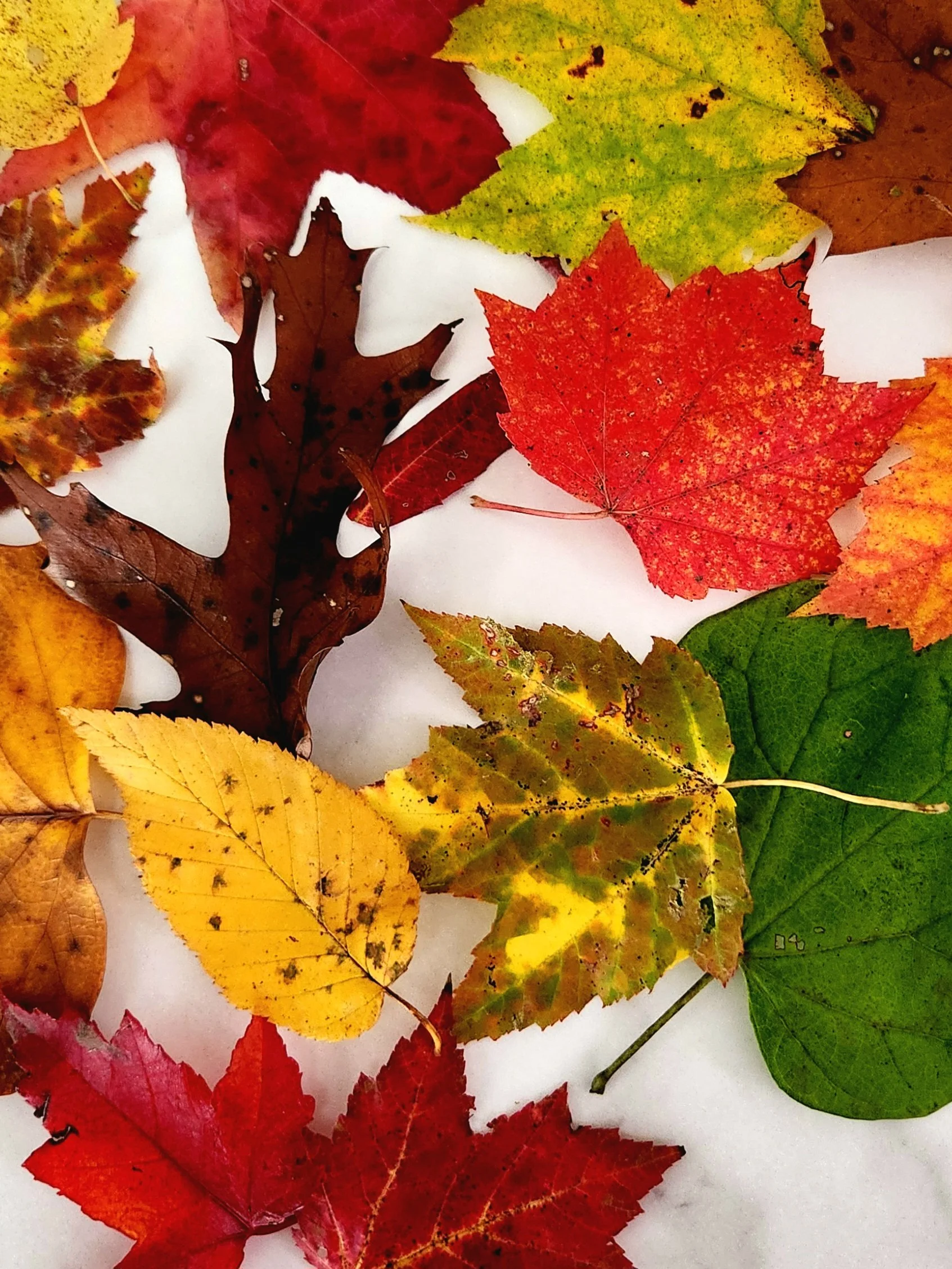
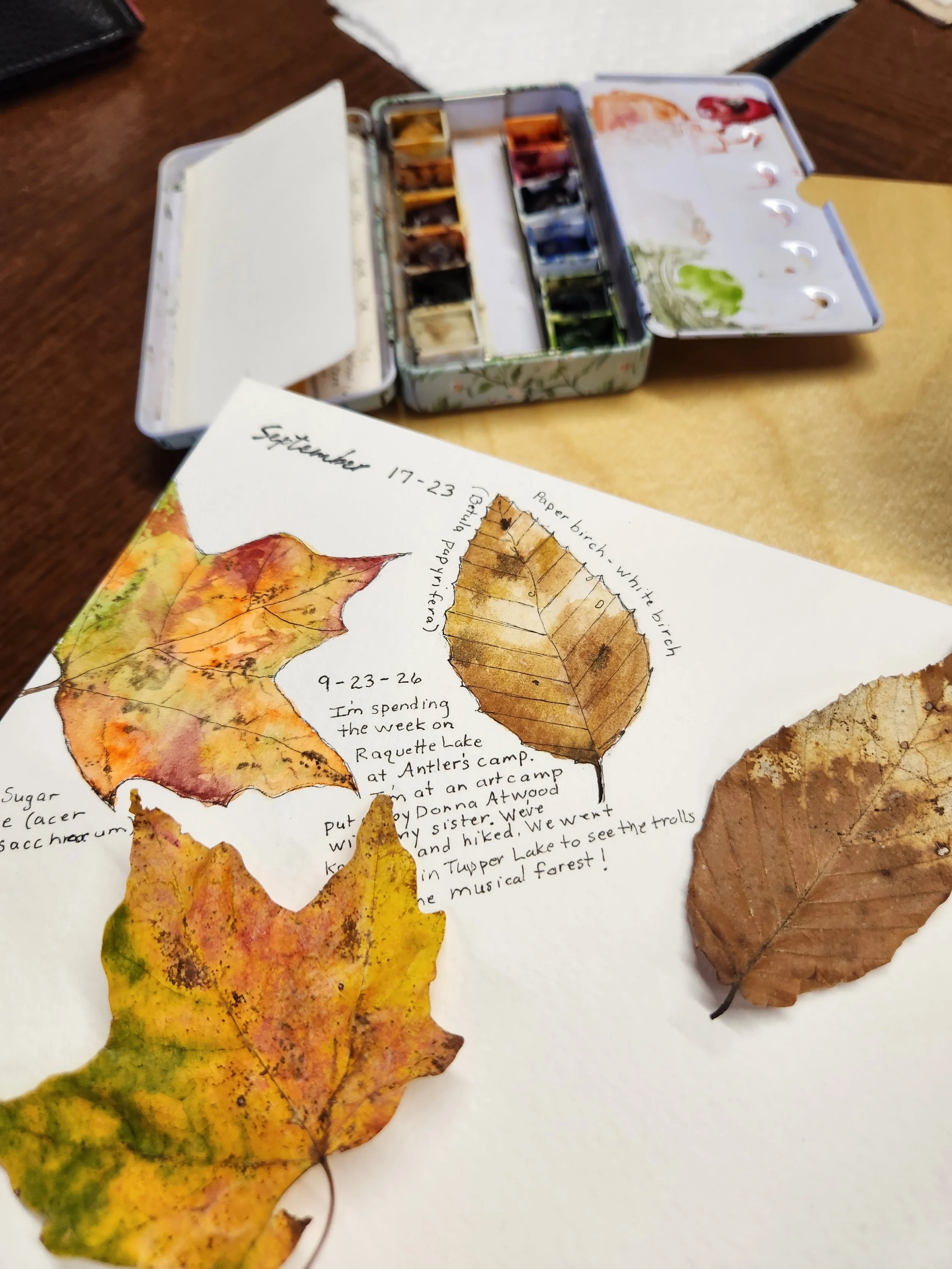
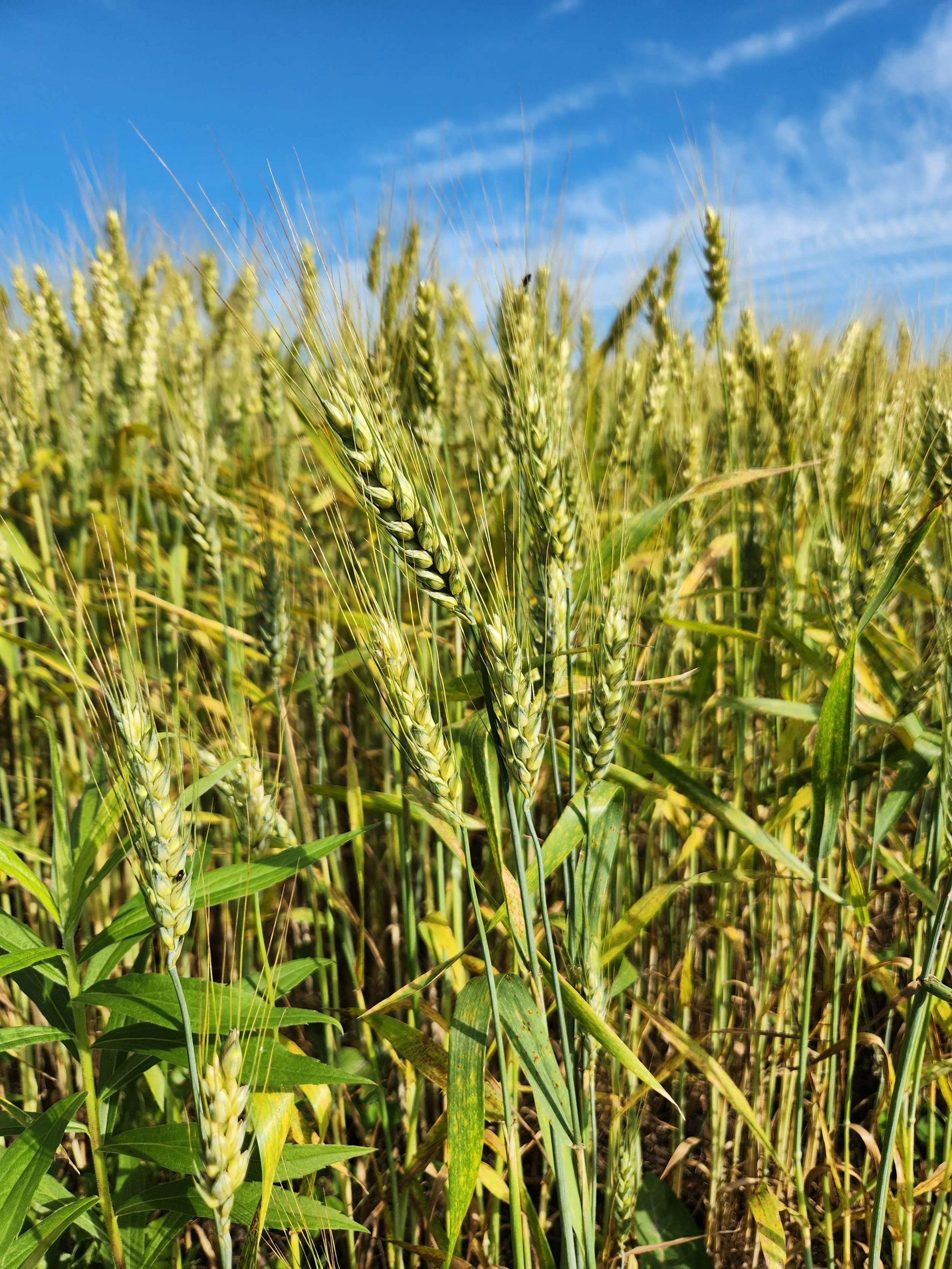
Every color in this palette reminds me of something I might find on a walk. I was looking for a color palette for my seedpod paintings; however, this color palette is so much more. In autumn, these colors appear in leaves. They also appear in grasses, mushrooms, tree bark, interesting rocks, and lichen. This palette works for so many things. Together, these colors help me tell the stories of the natural objects I photograph and bring home to paint.
Maybe instead of my “seed pod palette,” it should be called my “trailside palette.”
The colors also have built-in symbolism. The neutral colors indicate time, decay, and mystery. Greens stand for growth and transition, while the glowing quinacridones embody life and energy.
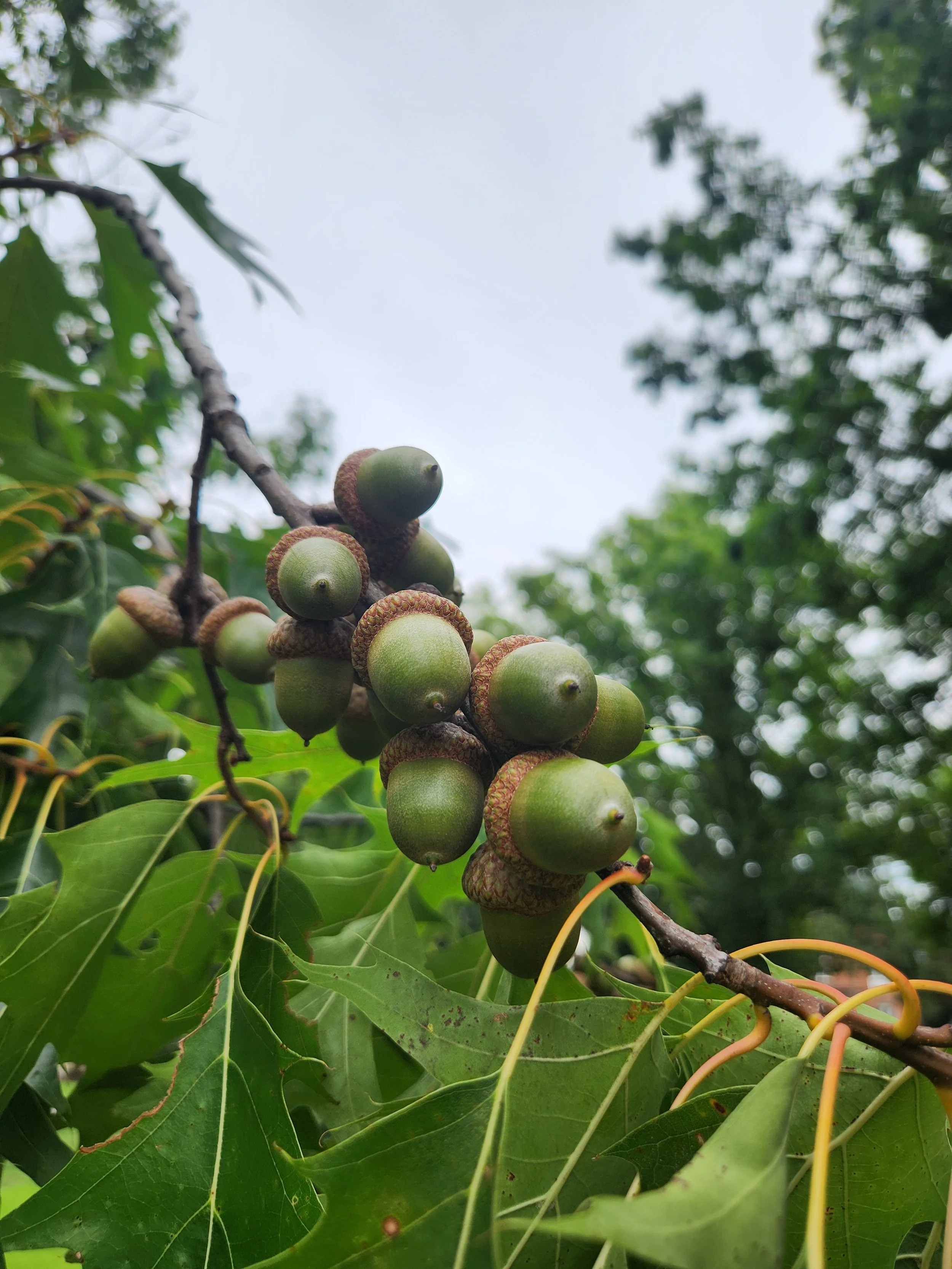
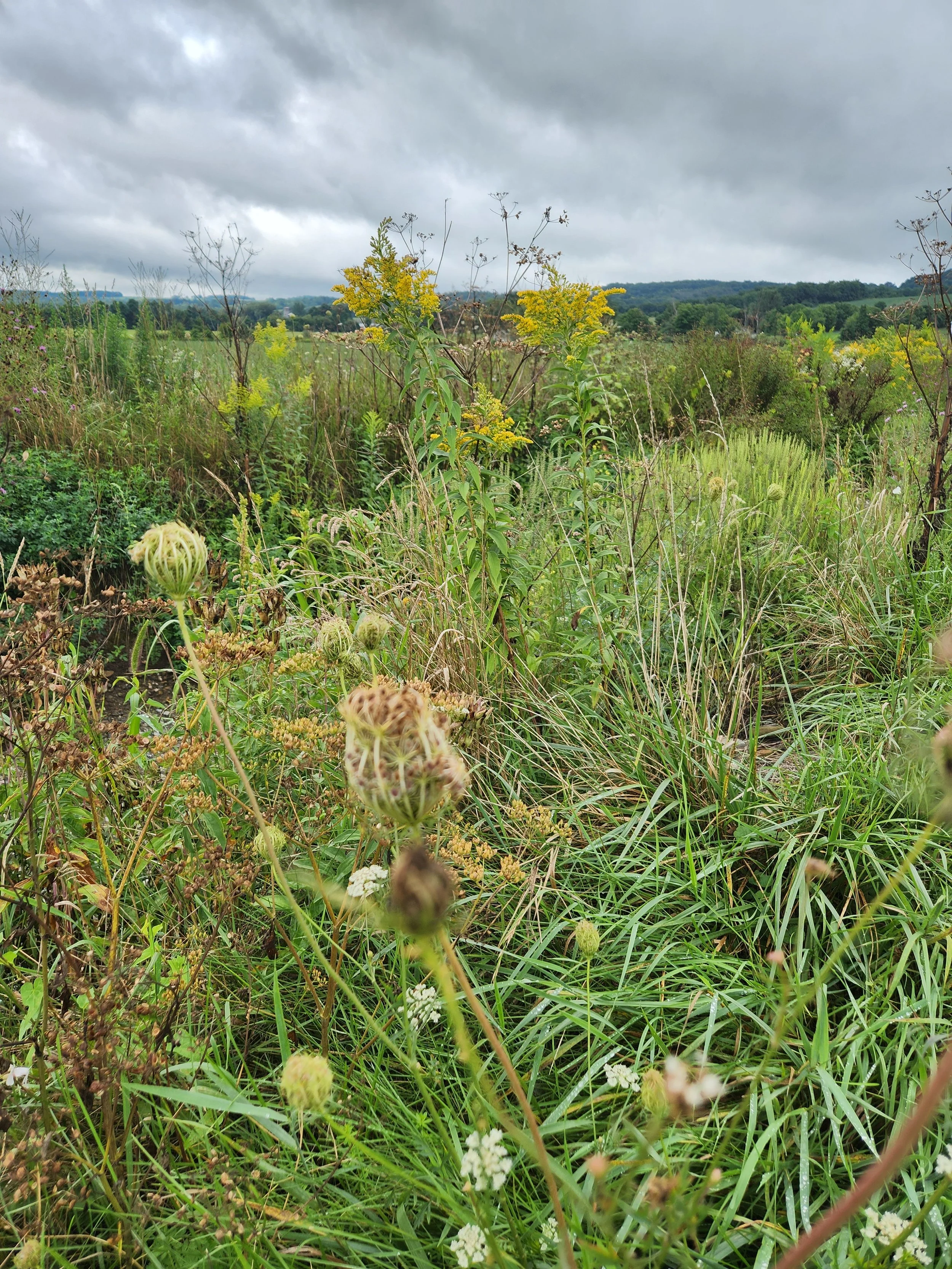
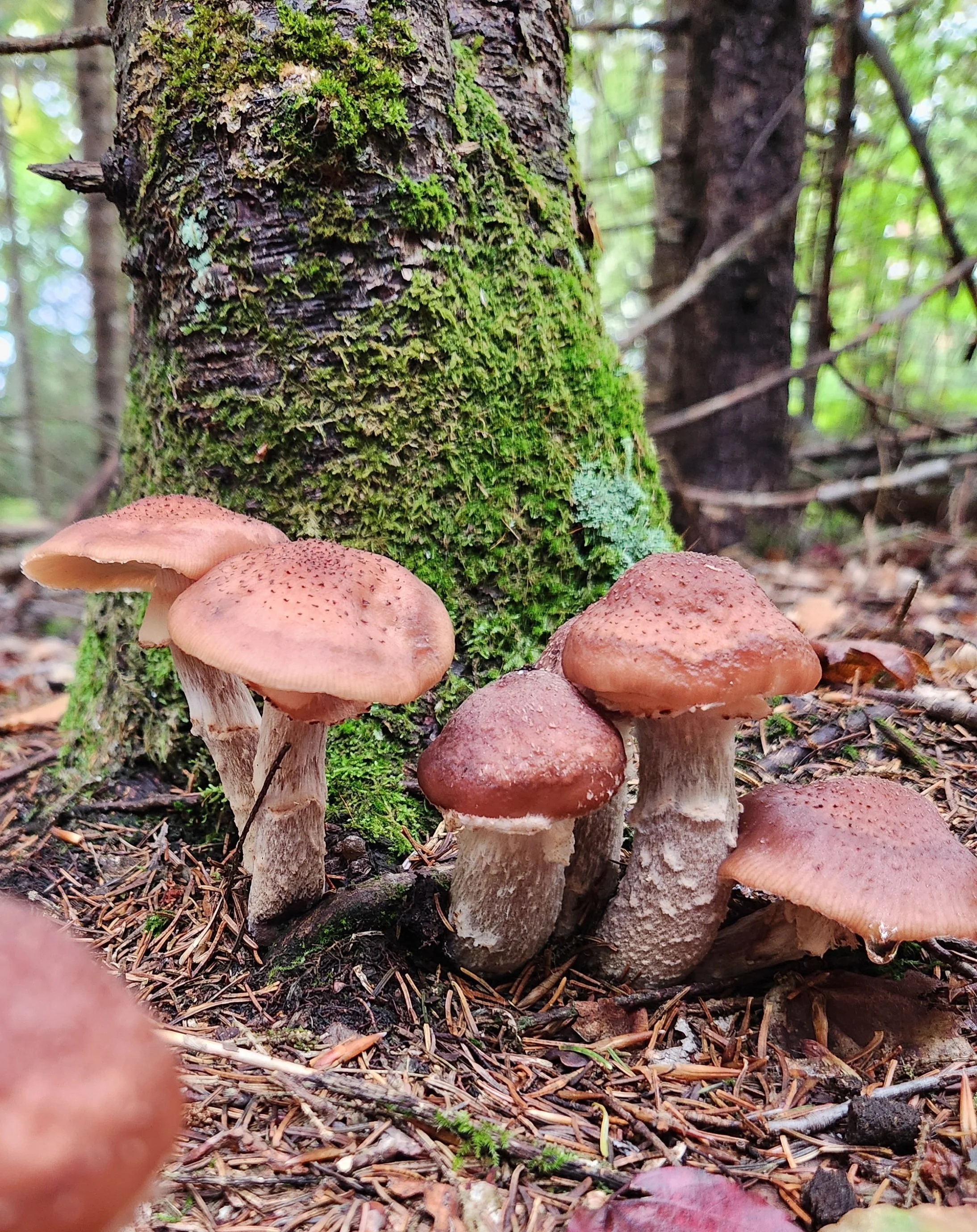
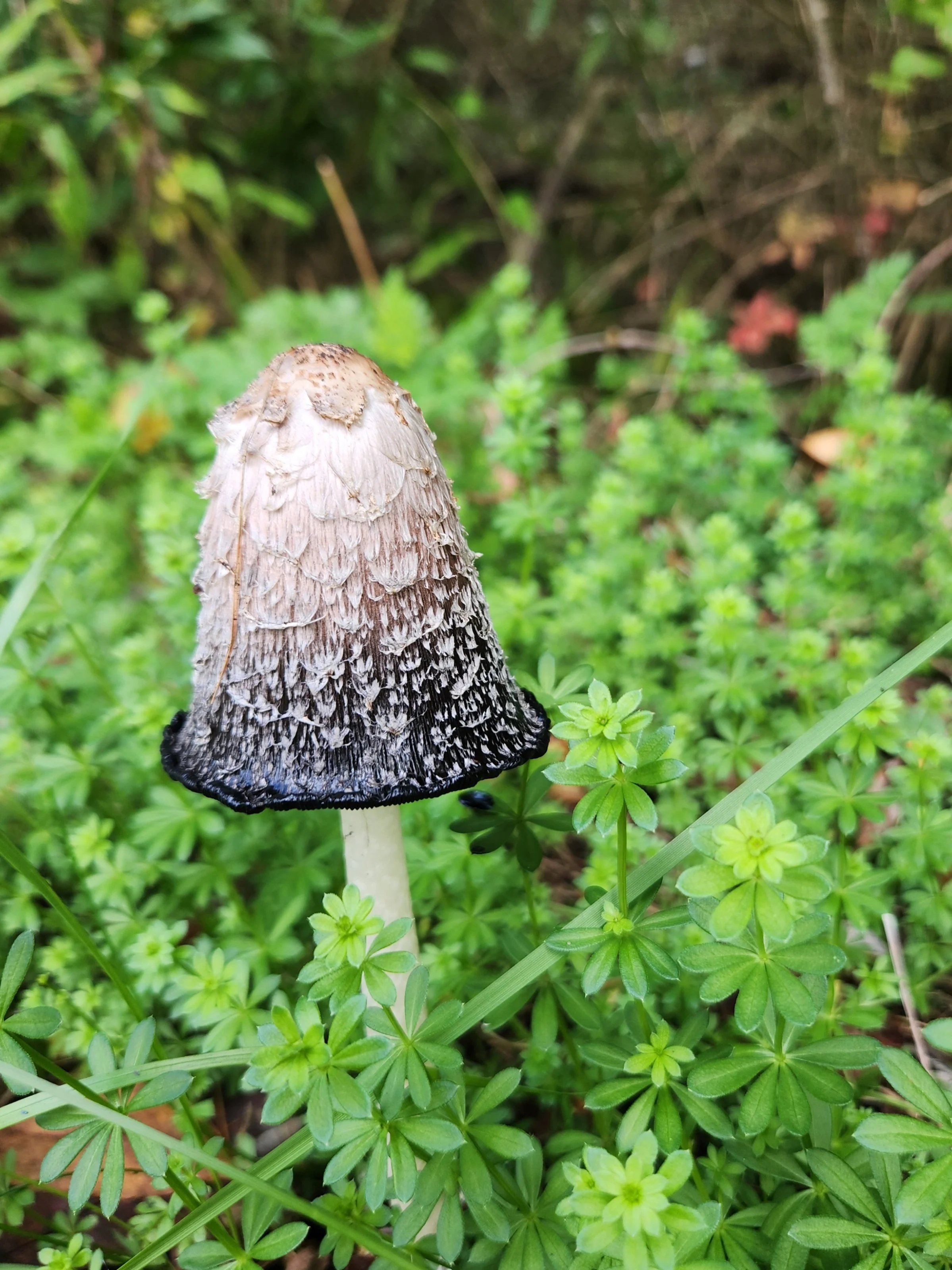
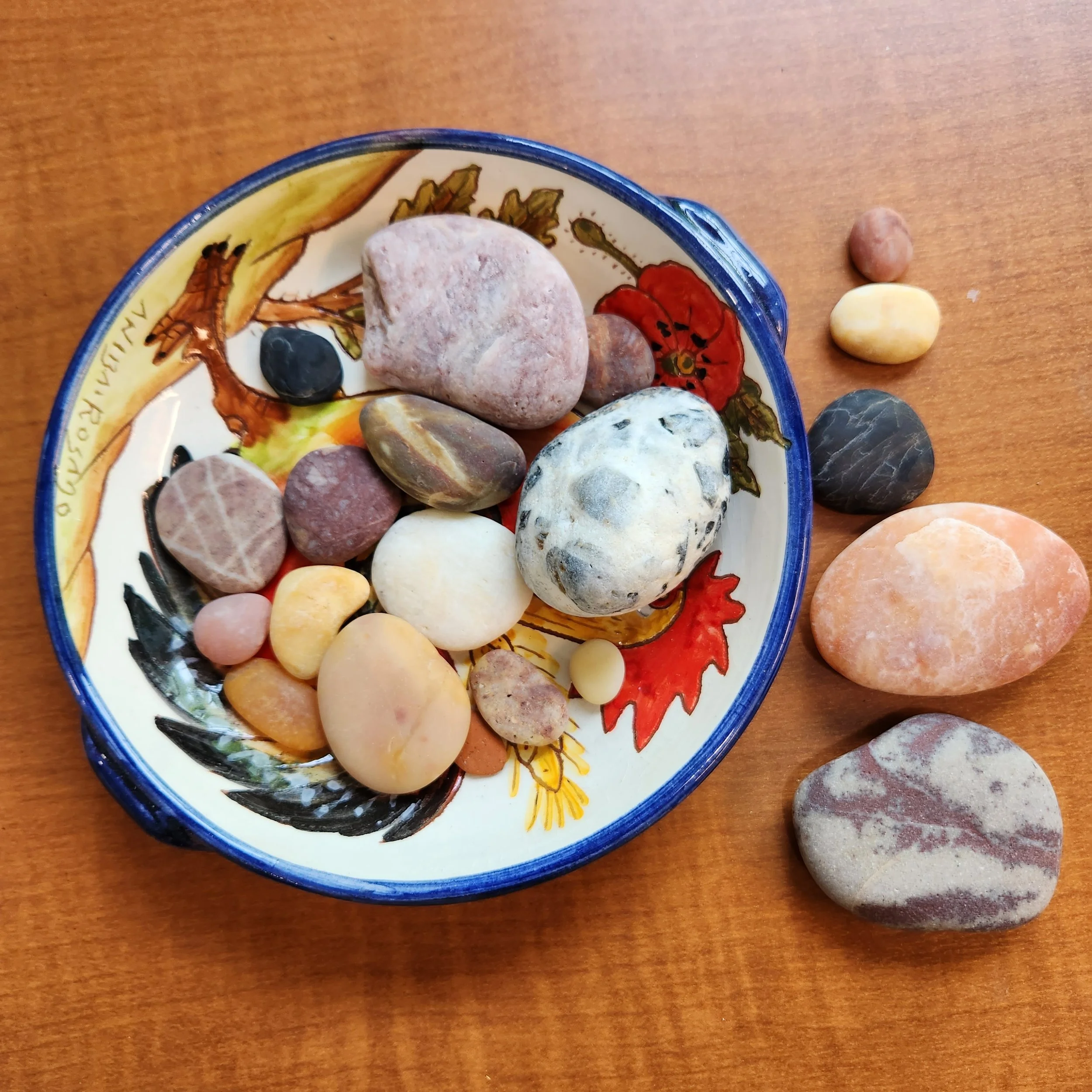
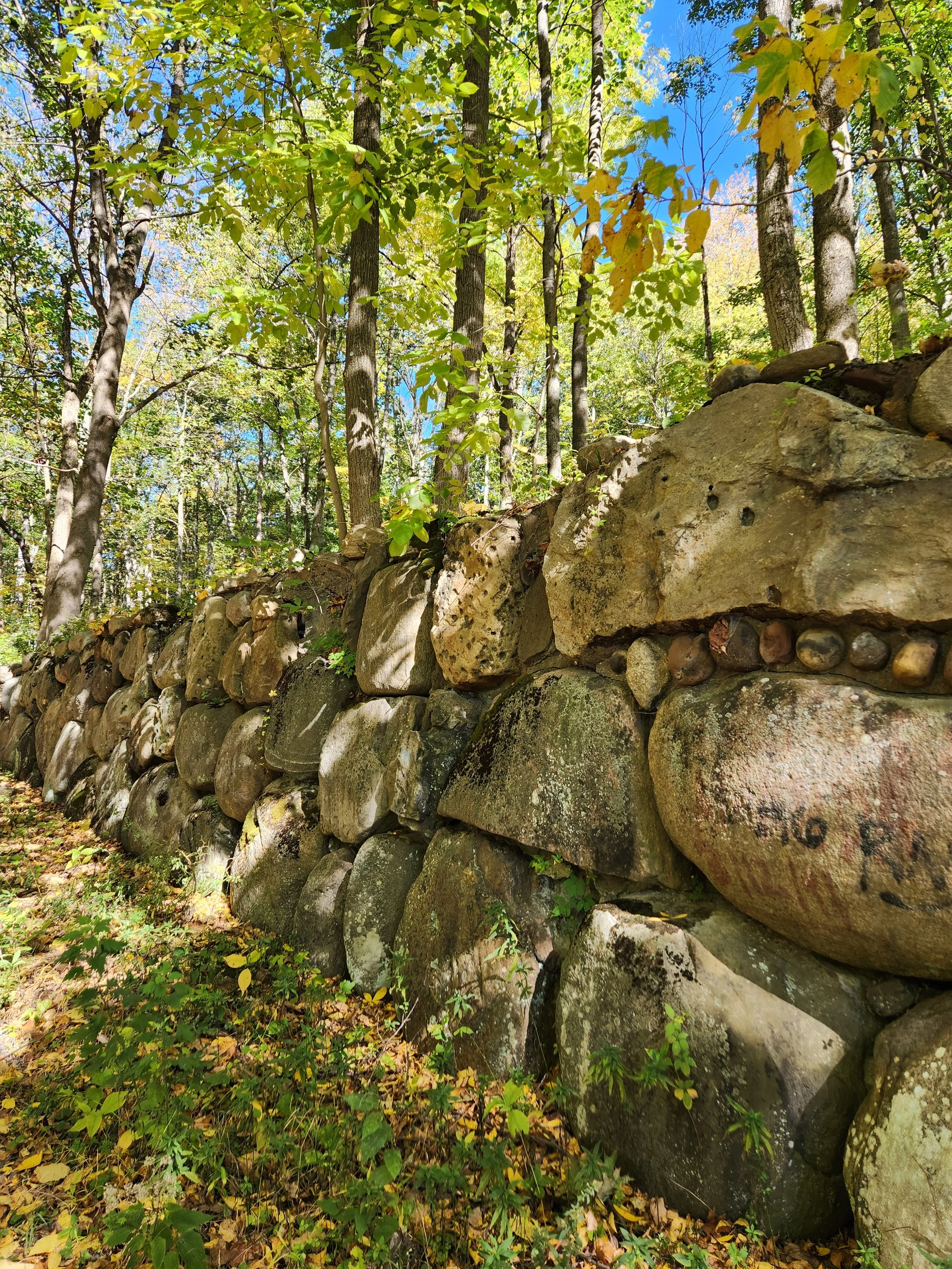
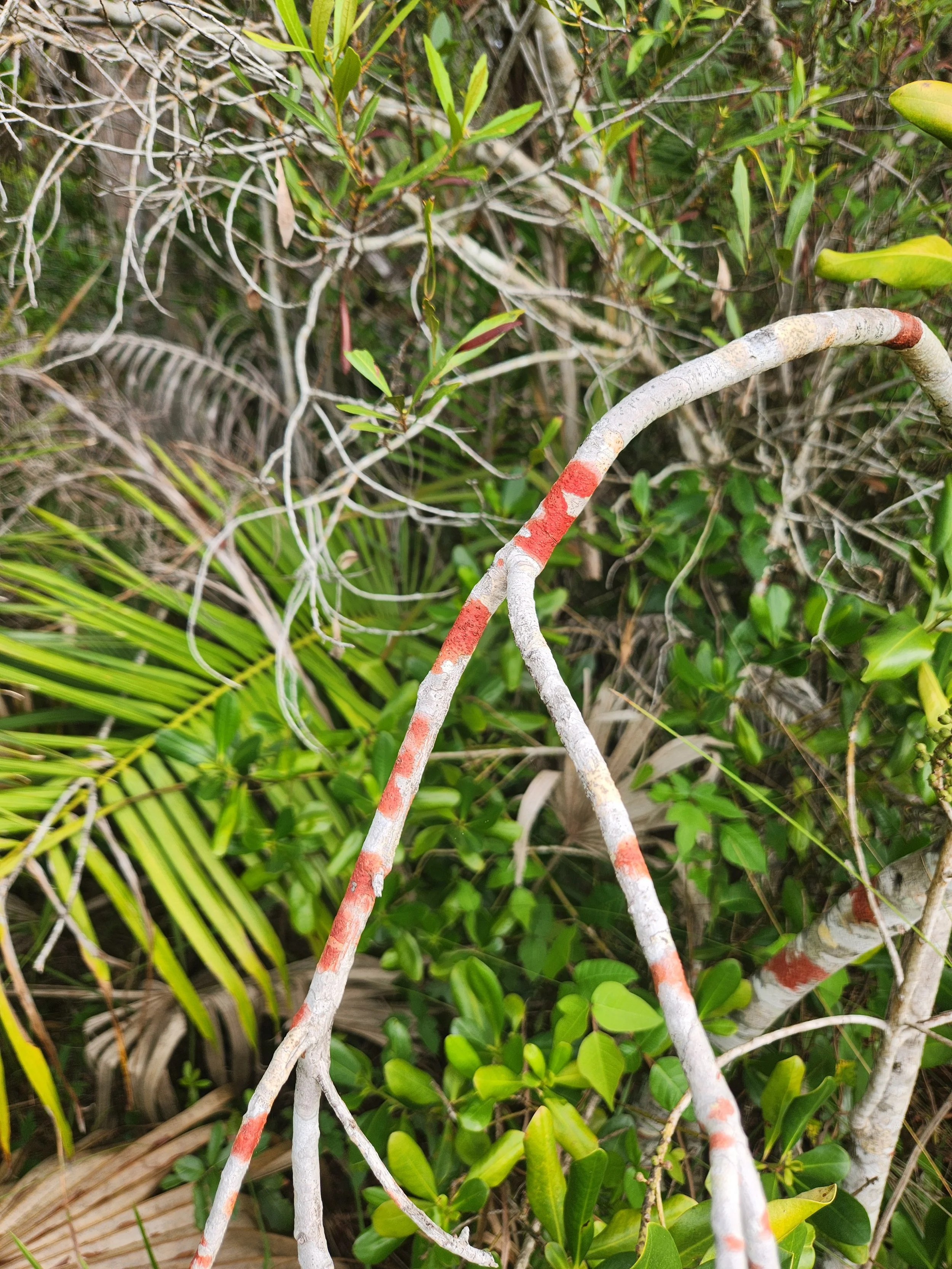
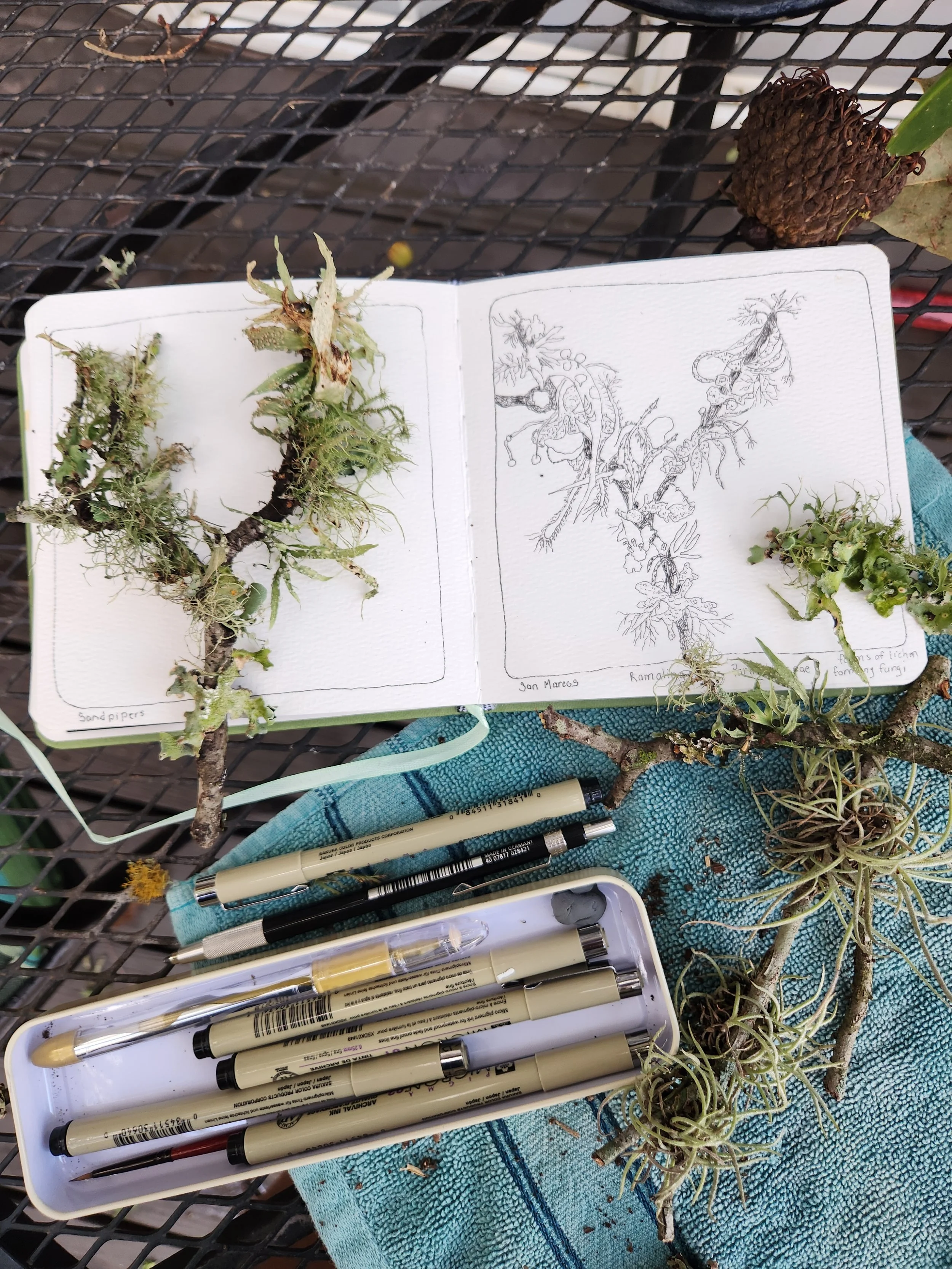
However, the real magic isn't just in the 12 individual paints—it's in the colors you can create by mixing them.
How Mixing My Watercolors Creates Natural Seed Pod Colors
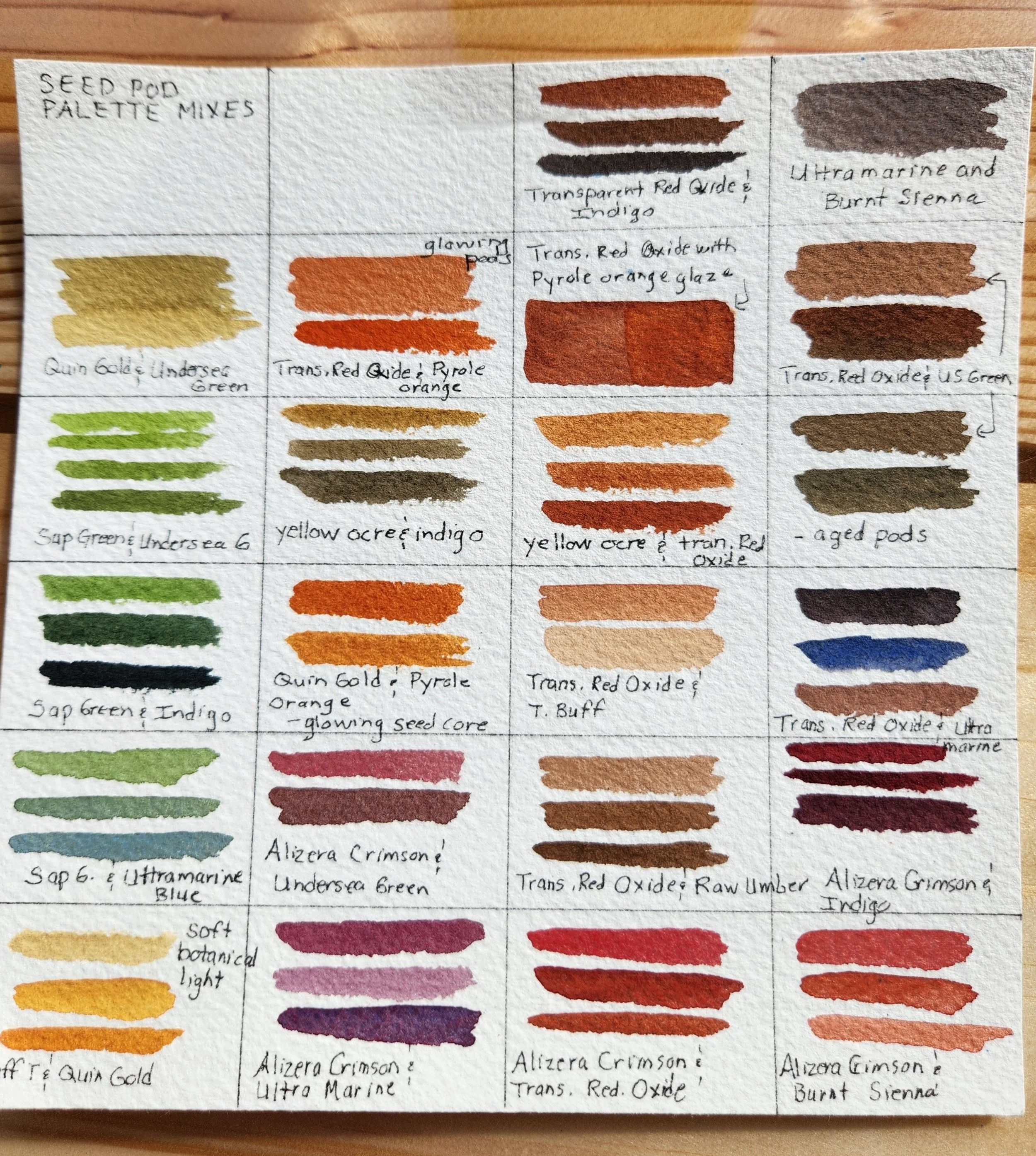
When painting botanicals, I aim to match the color as closely as possible using only these 12 colors. I started by mixing colors that would go well together. This is what you see in this photo. I refer to this when I paint. The amount of water and paint I add also changes the final color. Sometimes when I paint, I need other combinations. I document those colors on the back of this sheet.
Love This Color Palette
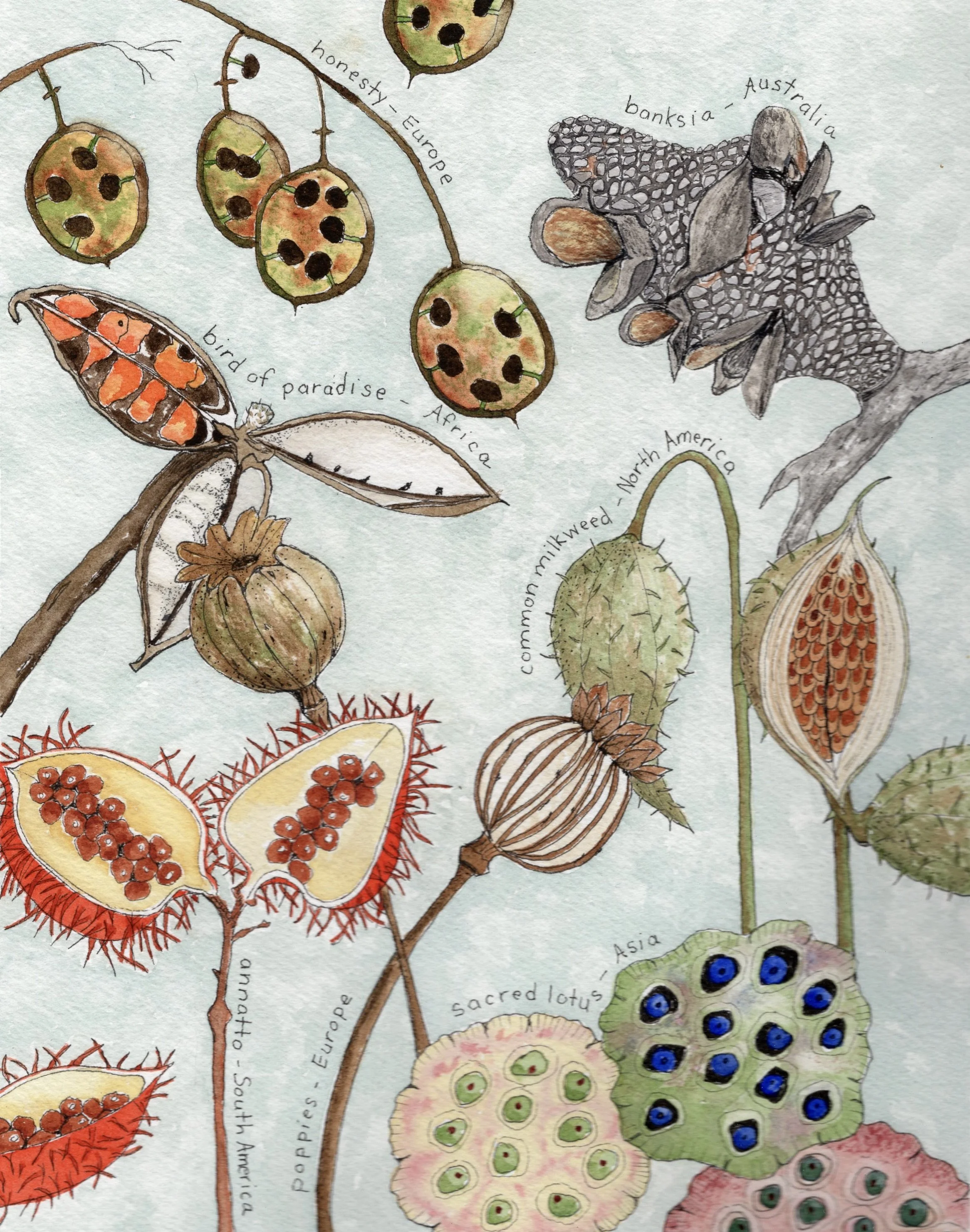
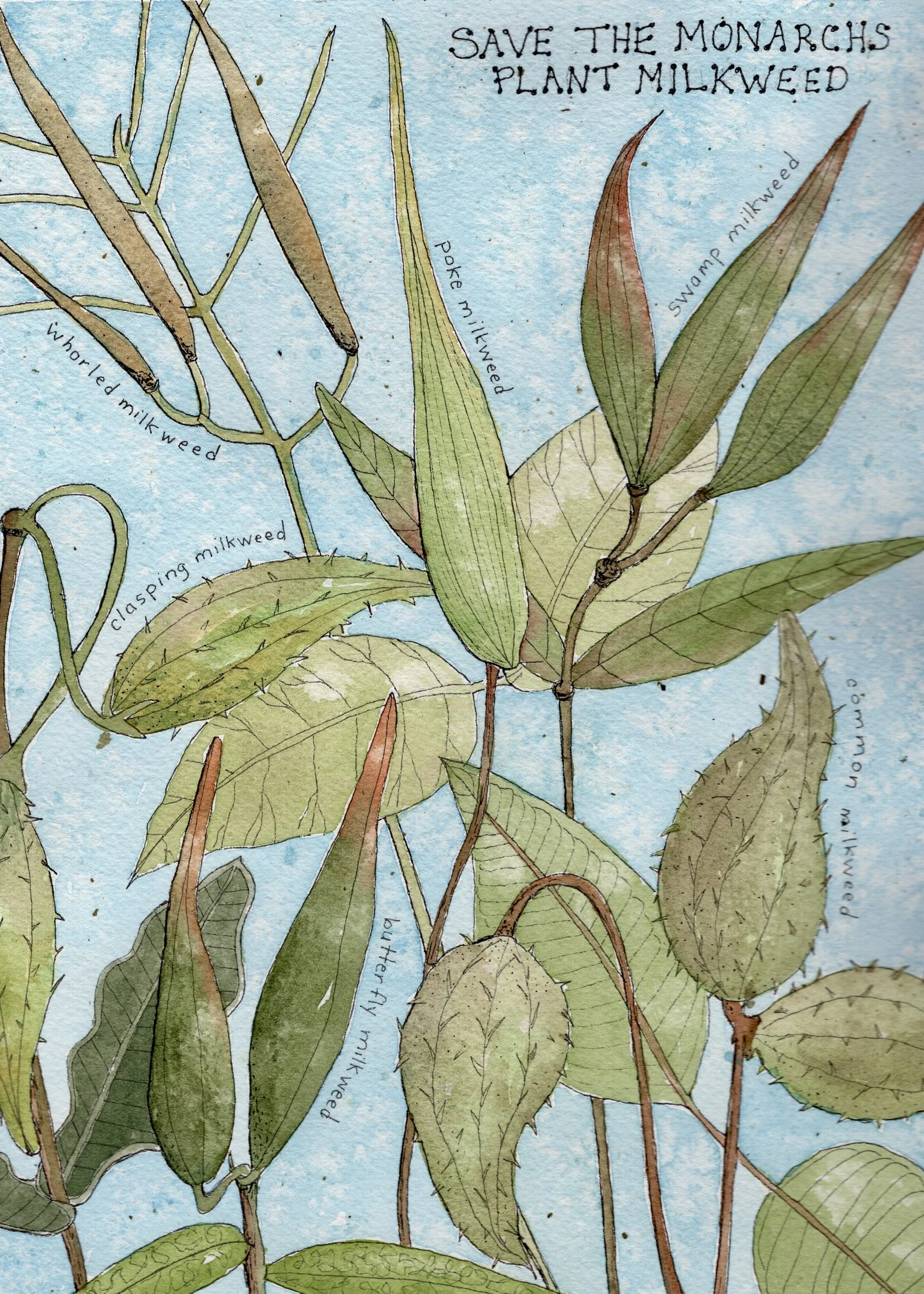
You can probably see why this color palette works so well for me. I can easily take this palette anywhere because it doesn’t take up much space. I can paint almost anything found outside in nature with these colors, or a combination of them. Most importantly, the colors are restful on the eyes, like things in the natural world.
If you’d like to know more about the specific watercolor brands in this collection, feel free to message me.
Beautiful Art for Life Well Lived,
Sarah